


Views: 0 Author: Site Editor Publish Time: 2026-03-27 Origin: Site


Many consumers are wary when they see “mechanically separated meat” (MSM) on food labels, raising concerns about its safety. How is this meat made, and is it safe for consumption? In this article, we’ll explore the process of mechanically separating meat, its uses in processed foods, and how equipment like a meat grinder plays a key role in the production process. You’ll learn about the regulations, safety measures, and what to look for on ingredient labels.
Mechanically separated meat (MSM) is a type of meat extracted from bones after the primary cuts of meat have been removed during butchering. This process is commonly used in large-scale meat production to recover leftover edible tissue from bones and poultry carcasses. The resulting product is a finer-textured meat that often appears similar to minced meat or paste, depending on the method of separation used. MSM plays a significant role in food production, especially in the manufacturing of processed meat products.
The production of MSM begins with the removal of major cuts from an animal’s carcass. After the initial butchering process, any remaining edible tissue on the bones is extracted using mechanical separation equipment. These machines apply pressure to bones with attached meat, forcing the remaining tissue through sieves or perforated plates. This method breaks down muscle fibers and separates the softer muscle tissue from bone fragments. There are two primary techniques used for MSM production:
● Low-pressure separation: This method involves applying gentle pressure to separate the remaining meat without drastically altering its structure. The result is a minced meat-like texture, commonly used in products like chicken nuggets or burger patties.
● High-pressure separation: In this process, more force is used to extract the meat, resulting in a smoother, paste-like consistency. High-pressure MSM is typically found in hot dogs, sausages, and other highly processed foods.
While both techniques serve the same purpose of recovering meat, the texture and processing applications differ based on the pressure applied during extraction.
Although both MSM and ground meat are produced by processing meat into smaller pieces, the two products differ significantly in their origin and processing methods. Regular ground meat comes from whole muscle cuts—such as steaks, roasts, or chops—that have been removed from the bone. Ground meat retains the muscle fibers' natural structure, which gives it a firmer texture compared to MSM.
On the other hand, mechanically separated meat results from the mechanical breakdown of muscle fibers. The mechanical separation process modifies the texture of the meat, making it finer and smoother, often leading to a more homogeneous consistency than traditional ground meat. This is particularly useful for mass-produced, processed foods that require uniform texture, such as hot dogs, sausages, and chicken nuggets.
Another key difference lies in product labeling and regulation. MSM must be clearly labeled on food packaging as “mechanically separated” meat, unlike ground meat, which typically does not carry such a specific label. This distinction is important for both regulatory compliance and consumer awareness.
Comparison | Mechanically Separated Meat (MSM) | Ground Meat |
Source | Leftover tissue on bones and carcasses | Whole muscle cuts (e.g., beef, pork) |
Texture | Fine, paste-like, or minced | Coarser, maintains muscle structure |
Processing Method | Mechanical pressure through sieves | Grinding of whole muscle cuts |
Uses | Processed foods like sausages, hot dogs, nuggets | Hamburger patties, meatballs |
Labeling Requirement | Must be labeled as “mechanically separated meat” | No specific labeling requirement |
The primary takeaway is that while both MSM and ground meat are used in a variety of food products, MSM is a more highly processed product with a smoother texture, and it is produced using a distinct mechanical separation method.
In modern industrial meat processing, the separation of meat from bones is a critical step that is done using specialized mechanical separation equipment. This process begins after the primary cuts of meat have been removed during butchering. The leftover tissue on the bones, which would otherwise go to waste, is extracted using high-tech machinery. These machines apply varying levels of pressure to the bones, forcing the remaining meat through sieves or screens to separate it from the harder bone material.
There are two primary methods used for mechanical separation:
● Low-pressure separation: This method applies a gentler pressure, which results in meat that retains more of its muscle fiber structure, resembling ground meat. It's often used in products like chicken nuggets, fish fillets, and hamburgers.
● High-pressure separation: In contrast, this method uses more intense pressure to create a smoother, paste-like consistency, which is ideal for products like hot dogs and canned meats. High-pressure separation is particularly effective at extracting every last bit of edible tissue from the bones, but it alters the texture of the meat significantly.
The separation process involves multiple stages of mechanical compression, cutting, and sieving, which helps in maximizing the amount of usable meat recovered. The extracted product is often very fine and homogeneous, which is ideal for mass-produced processed meats.
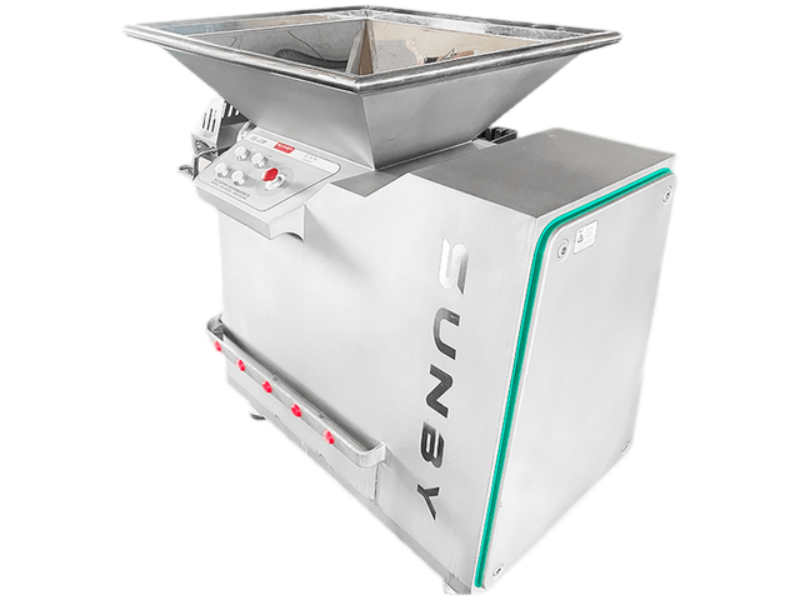
In a large-scale meat processing plant, equipment like industrial meat grinders plays a key role in the broader process of meat separation and preparation. These grinders help to further break down the mechanically separated meat, especially after it has been initially separated from bones using pressure-based machines.
While the primary role of grinders is to process whole muscle cuts into finer particles, they also work in tandem with other equipment that separates the meat. The meat grinder is particularly useful for making the separated meat uniform in texture and suitable for use in products like sausage, ground meat, and patties.
Here’s a simplified flow of the industrial meat processing line:
1. Carcass preparation: Large cuts of meat are separated and bones are removed.
2. Mechanical separation: Leftover meat is extracted from bones using high- and low-pressure systems.
3. Grinding: The extracted meat is processed using industrial grinders to refine its texture for further use.
In essence, meat grinders are part of a larger system of mechanical tools that turn raw, unrefined animal parts into standardized products, which can then be further processed, seasoned, or packaged.
The primary motivation for recovering meat from bones lies in maximizing meat utilization. For large-scale meat processors, efficiency and minimizing waste are key drivers. Bones, which are often seen as waste in traditional butchering, still contain significant amounts of edible tissue. By using mechanical separation, processors can recover this leftover meat, which otherwise would not be utilized.
Aside from the economic benefits, there are several other reasons for recovering meat from bones:
● Resource efficiency: The process helps make the most of every part of the animal, reducing waste and increasing profitability for producers.
● Sustainability: Utilizing all parts of the animal helps promote sustainable practices in food production, reducing overall waste.
● Product consistency: Mechanically separated meat can be used in a variety of processed food products, ensuring consistent texture and quality for mass production.
Through this process, meat producers can not only boost the yield from each animal but also meet the growing demand for processed foods that require finely-textured meat products.
This system enables large-scale production of highly processed meat products like sausages, burgers, and ready-to-eat meals, all while adhering to strict hygiene and safety standards set by food regulators.
Mechanically separated meat (MSM) is subject to strict food safety regulations to ensure that it is safe for human consumption. According to food safety authorities like the USDA and EFSA, MSM is deemed safe as long as it is produced in compliance with health and hygiene standards. These regulations govern the entire production process, from the source of raw materials to the final product.
In the United States, the USDA Food Safety and Inspection Service (FSIS) regulates the production of MSM and ensures that it meets the necessary standards before being allowed in the food supply. MSM must be produced under approved sanitary conditions and can only be made from certain types of animals, such as poultry and pork, which are deemed safe for the process.
Additionally, European regulations also ensure that MSM produced from poultry or pork is safe when proper hygiene procedures are followed. However, due to the nature of the production process, MSM cannot contribute to the "meat content" percentage listed on product labels. This regulatory measure ensures that MSM is clearly identified and consumers are aware of its presence.
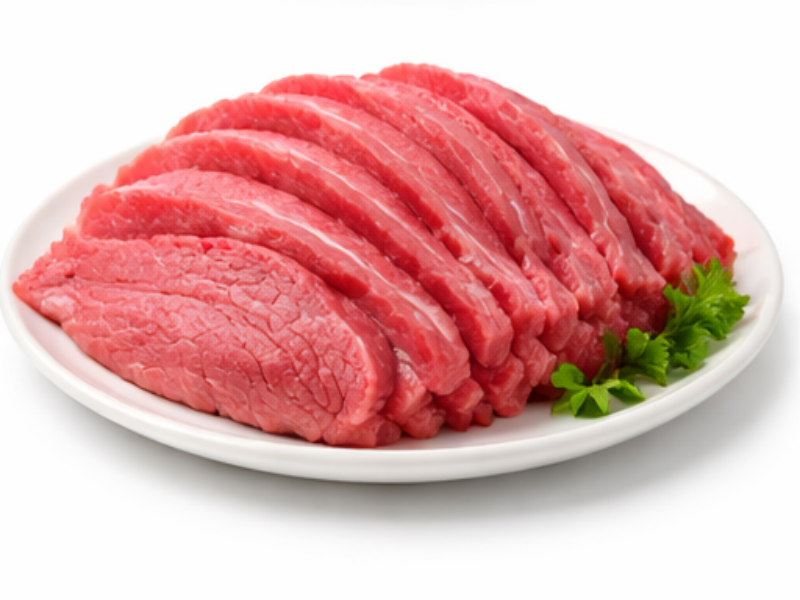
While MSM is widely used in processed foods made from poultry and pork, there are strict restrictions when it comes to other animal sources, particularly beef, sheep, and goat. The most notable restriction concerns bovine (beef) meat, which has been banned for human consumption in the form of mechanically separated meat due to health concerns related to Bovine Spongiform Encephalopathy (BSE), commonly known as "mad cow disease."
The BSE outbreak in the late 20th century raised significant concerns over the transmission of Transmissible Spongiform Encephalopathies (TSEs), which are fatal neurodegenerative diseases. As a precaution, the USDA and European Union implemented strict bans on using bovine bones for MSM production to protect public health.
While poultry and pork are allowed for MSM production under controlled conditions, the same restrictions do not apply to these animals, as they have not been associated with similar risks. Regulatory authorities like the US FDA and EFSA continue to monitor and enforce these restrictions to ensure that MSM from these animals is safe.
The production of mechanically separated meat involves specific hygiene controls that are designed to mitigate the potential risks associated with the process. Because MSM is derived from meat that has been mechanically separated, it has a larger surface area exposed to potential contamination compared to traditional cuts of meat. This makes hygiene practices crucial to maintaining its safety.
Key hygiene controls during the production of MSM include:
● Sanitary production environments: Meat processing plants must maintain rigorous cleanliness standards. This includes regular cleaning of machinery and surfaces to prevent cross-contamination between raw materials.
● Temperature control: Since MSM is highly susceptible to bacterial growth due to its finely separated texture, it must be quickly chilled or frozen after separation to prevent microbial growth.
● Microbiological testing: Regular testing for harmful bacteria, such as Salmonella and E. coli, is required to ensure that MSM is safe for consumption. Any contamination found during testing results in rejection of the batch.
● Traceability: All MSM products must be fully traceable, meaning producers must track every stage of production. This ensures that if a contamination issue arises, the affected batches can be identified and removed from the market.
Additionally, quality assurance procedures are carried out at multiple stages in the production process to ensure that the meat is processed safely. This includes checking for the absence of bone fragments and ensuring that MSM meets nutritional and compositional standards as prescribed by food safety regulations.
Mechanically separated meat (MSM) is commonly found in various processed food products. Its ability to provide a uniform texture and blend well with other ingredients makes it a preferred choice for manufacturers in the meat processing industry. Below are some typical products where MSM is frequently used:
● Sausages and Hot Dogs: MSM is a common ingredient in sausages, particularly in frankfurters and other cooked sausages, as it provides a smooth and consistent texture.
● Chicken Nuggets and Patties: Many fast-food chains and frozen food brands use MSM to create uniformity in products like chicken nuggets and patties.
● Canned Meats: MSM is widely used in canned meat products, such as corned beef or luncheon meat, where it is mixed with seasonings and other ingredients to form a consistent product.
● Deli Meats: Some deli meats, such as certain varieties of bologna or turkey slices, can also contain MSM.
These products rely on MSM because it provides cost-efficiency and uniform texture across large batches, making mass production feasible without compromising on the product's look or consistency.
In most countries, food products that contain mechanically separated meat are required by law to disclose it clearly on the ingredient list. This helps consumers make informed decisions about the types of meat products they are purchasing.
● Ingredient Labeling Requirements: In the U.S., products containing MSM must clearly state the type of meat used, such as “mechanically separated chicken” or “mechanically separated turkey”. Similarly, the European Union mandates that MSM be labeled as “mechanically separated meat”, with a specific species mentioned.
● Meat Content Disclosure: MSM does not count toward the “meat content” percentage indicated on the label, making it clear that while MSM is derived from animal tissue, it is processed differently than traditional cuts of meat.
Mechanically separated meat (MSM) is a common ingredient in industrial meat processing, widely used for its cost-effectiveness and consistency. Its safety depends on strict regulation, processing standards, and hygiene controls. Consumers are encouraged to make informed choices by reading labels and understanding the food processing methods used. QI QI HAR SUNBY MACHINERY CO., LTD. offers advanced industrial meat processing equipment, providing high-quality solutions that ensure the safe and efficient production of MSM while enhancing overall food safety standards.
A: A meat grinder is used in industrial processing to separate meat from bones. The process involves applying pressure to the bones, pushing the remaining tissue through perforated plates, resulting in finely ground or paste-like meat suitable for processed food products.
A: Yes, when produced under regulated conditions with proper hygiene, mechanically separated meat from industrial meat grinders is considered safe. Compliance with food safety standards ensures that MSM meets the required quality and safety levels for consumption.
A: Mechanically separated meat processed by meat grinders is commonly used in products like sausages, hot dogs, chicken nuggets, and canned meats, where consistency and texture are critical for mass production.


