


Views: 0 Author: Site Editor Publish Time: 2026-04-03 Origin: Site


In the fast-paced world of food production, having the right tools is essential. A high-quality meat grinder can make all the difference for restaurants, slaughterhouses, and meat processing plants. In this guide, we will explore how choosing the right meat grinder can help you lower costs, increase efficiency, and maintain consistent product quality. You’ll learn about the different types of commercial meat grinders and the key factors to consider when selecting the best one for your business.
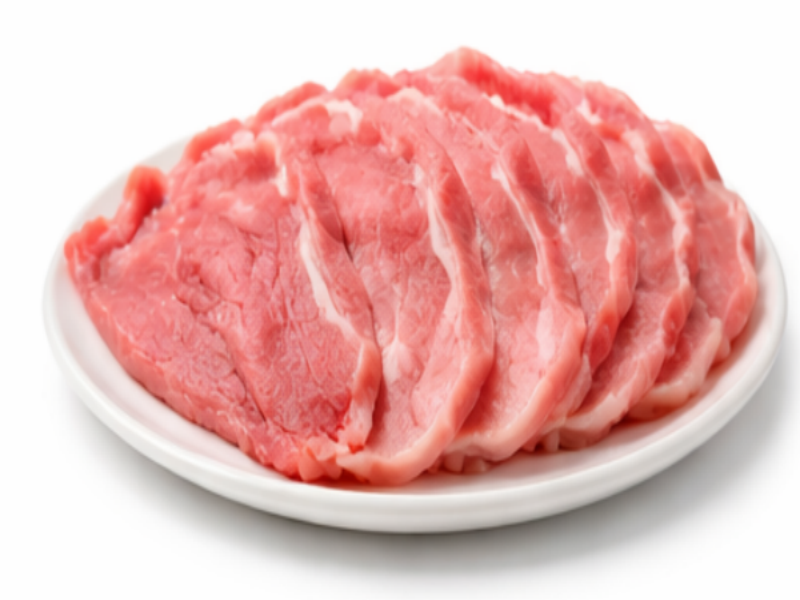
When selecting a commercial meat grinder, understanding the different types available is crucial to meeting specific processing needs. There are various types designed for different volumes, processing speeds, and product outcomes. This section explores the key types of commercial meat grinders, specifically focusing on manual vs. electric grinders and specialized industrial grinders.
Manual meat grinders are designed for lower-volume operations, making them ideal for small-scale meat processing tasks. These grinders require physical effort to operate, as the grinding mechanism is powered by hand. While they are cost-effective and simple to use, manual grinders are not suitable for high-output, industrial-scale operations.
● Low Cost & Maintenance: One of the key advantages of manual grinders is their low initial cost and minimal maintenance requirements. These grinders are typically constructed from durable materials, making them a good option for small butcher shops or restaurants that process small quantities of meat.
● Labor-Intensive: Manual grinders are suitable for low-frequency tasks. However, they are labor-intensive and time-consuming, making them inefficient for large-scale operations. They are typically used in situations where smaller batches are processed intermittently.
● Limited Capacity: The capacity of manual grinders is limited due to the physical effort required to turn the crank or handle, making them less suitable for environments where efficiency and high throughput are needed.
Electric meat grinders, on the other hand, are built to handle much higher volumes of meat and can process large quantities quickly and efficiently. These grinders are essential for any business that needs to meet the demands of high-volume production, such as meat processing plants, large butcher shops, and industrial kitchens.
● Power & Speed: Electric grinders are powered by motors, which offer consistent power and higher throughput. The efficiency of these grinders drastically reduces processing time, allowing for continuous grinding without physical labor. Electric meat grinders are designed for long-term industrial use and come with various horsepower options to suit different production scales.
● Capacity & Versatility: These grinders can handle large volumes of meat in a short amount of time. They are available in multiple sizes, from small models suitable for medium-sized butcher shops to large models designed for heavy industrial use. They also feature the ability to process a wide range of meat products, from soft to tougher cuts.
● Ease of Use & Maintenance: With an electric grinder, operators benefit from ease of use, as these grinders often include user-friendly features like automatic feed and safety mechanisms. They also require regular maintenance, but they significantly reduce the labor intensity compared to manual models.
While manual and electric grinders serve general needs, certain specialized grinders are engineered to meet the demands of large-scale operations and complex meat processing tasks. These specialized grinders are designed for specific functions, offering enhanced performance, efficiency, and safety.
Horizontal grinders, often referred to as Buffalo Choppers, are used extensively in meat processing plants for cutting, grinding, and chopping larger batches of meat. These grinders are optimized for mixing and grinding products simultaneously, which allows for more consistent results in less time.
● Efficiency in Processing: Horizontal grinders feature a unique design that allows them to handle both meat and bone, making them ideal for high-demand processing plants. They are particularly useful when processing tougher meats or when a fine, uniform grind is needed.
● Batch Processing: These machines are designed for large volumes, capable of processing multiple kilograms of meat per minute. The horizontal configuration of the blades allows for a more even distribution of meat particles, ensuring that the end product has a consistent texture.
● Enhanced Durability: Horizontal grinders are built to last, often constructed with durable materials such as stainless steel. They are engineered to withstand continuous use in an industrial environment, providing a long-lasting, reliable solution.
Auto-mixing grinders are a highly advanced type of industrial grinder that combines both the grinding and mixing processes. These grinders are particularly suited for producing sausages, burger patties, or any product that requires thorough mixing of meat with spices or fillers.
● High Efficiency & Minimal Labor: Auto-mixing grinders help reduce labor by automating the mixing process, ensuring that meat and additives are evenly distributed throughout the product. This is particularly important for businesses that produce sausages or meatballs in large quantities.
● Versatility in Production: These grinders are capable of processing a variety of meat types and can be easily adapted for different processing needs. The auto-mixing feature is perfect for meat processors who need consistent, high-quality results in every batch.
● Advanced Technology: The grinders are equipped with sensors and automated systems that optimize performance, ensuring precise control over the mixing and grinding speeds. This technology enhances productivity, product quality, and minimizes waste.
Type of Grinder | Features | Ideal For |
Manual Meat Grinders | Low-cost, labor-intensive, limited capacity | Small-scale operations, low-frequency use |
Electric Meat Grinders | High power, fast processing, versatile | High-volume, industrial processing |
Horizontal Meat Grinders (Buffalo Choppers) | Suitable for large batches, handles tougher meats | Meat processing plants, batch grinding |
Auto-Mixing Grinders | Mixes and grinds simultaneously, high efficiency | Sausage making, large-scale meat mixing |
When selecting a commercial meat grinder, several key factors must be considered to ensure the machine meets the specific demands of your business. These include power, grinder sizes and plate types, and the material and durability of the grinder. Understanding each of these elements will help you make an informed decision and optimize the performance and longevity of your equipment.
The power and horsepower of a meat grinder are among the most critical factors in choosing the right machine, especially for industrial and high-volume processing.
● Power for Large-Scale Operations (2.0 HP and above): For businesses that process large quantities of meat, grinders with a minimum of 2.0 HP are ideal. These grinders are designed to handle continuous production and ensure that the grinding process is efficient and consistent without overloading the motor. High-power grinders allow for faster processing and reduce downtime, making them suitable for environments where efficiency is key.
● High Power (37 HP and above) for Slaughterhouses and Large Meat Processing Plants: In meat processing plants or slaughterhouses, where a massive volume of meat needs to be processed each day, grinders with 37 HP or more are essential. These machines are built for non-stop operation, capable of grinding hundreds of kilograms of meat per hour. The powerful motors in these grinders enable them to tackle tough cuts, bones, and other hard materials while maintaining high throughput. The additional horsepower ensures that the grinder can handle the most demanding jobs without strain or failure.
Grinder Power (HP) | Recommended Use | Features |
2.0 HP and above | High-volume kitchens, medium-scale operations | Faster processing, higher capacity |
37 HP and above | Slaughterhouses, large processing plants | Non-stop operation, handles tough materials |
Choosing the right grinder size and plate type is crucial for ensuring the final product meets quality standards while optimizing throughput.
● Common Grinder Sizes (#12, #22, #32): Commercial meat grinders come in various sizes, with #12, #22, and #32 being the most commonly used. The size of the grinder determines its capacity and the speed at which it can process meat. #12 grinders are best suited for smaller operations, such as butcher shops or restaurants. #22 grinders are more versatile, offering a balance between capacity and speed, suitable for medium-sized meat processors. #32 grinders, with their larger motors and robust designs, are ideal for high-volume industrial meat processing plants where high throughput and efficiency are paramount.
● Control of Plate Hole Size and Texture: The plate type and hole size play a critical role in determining the texture and consistency of the ground meat. A larger hole size will produce coarser meat, which is desirable for products like ground beef or sausages with a chunky texture. Smaller holes create a finer grind, suitable for products like pâté or emulsified sausages. Some grinders come with interchangeable plates, allowing users to customize the grind based on their specific requirements.
The material used to construct the meat grinder significantly impacts its durability, hygiene, and ease of maintenance. For industrial settings, durability and compliance with food safety standards are non-negotiable.
● Choosing High-Quality Stainless Steel: Commercial meat grinders should be made from 304 stainless steel, which offers excellent resistance to corrosion, wear, and staining. This material is also non-reactive, which helps preserve the natural flavors of the meat and ensures that no harmful substances leach into the food. Additionally, stainless steel is easy to clean and maintain, making it an ideal choice for food processing equipment.
● Corrosion Resistance and Hygiene Standards: The choice of material also ensures the grinder complies with food safety regulations. Since meat processing involves raw products, the grinder must be able to withstand regular cleaning and sanitation without deteriorating. 304 stainless steel is preferred because it resists corrosion, even when exposed to harsh cleaning agents, ensuring the grinder’s longevity and maintaining high hygiene standards.
Maintaining and optimizing the performance of your commercial meat grinder is crucial for ensuring its longevity and maximizing your return on investment (ROI). Proper care can prevent costly repairs, minimize downtime, and maintain consistent performance. This section will discuss key maintenance tips and strategies to enhance grinder performance.
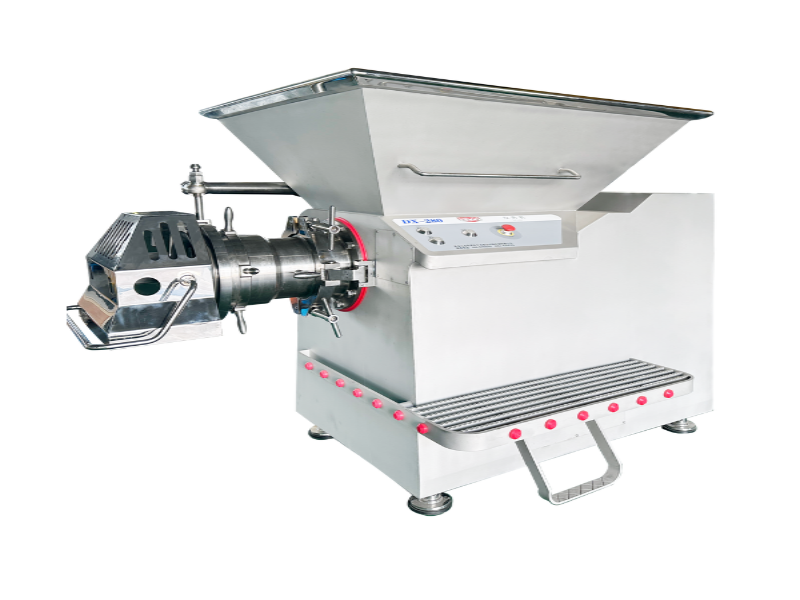
One of the most important aspects of maintaining a meat grinder is ensuring it is thoroughly cleaned and lubricated after each use. Proper cleaning prevents food residue buildup, which can lead to bacterial growth and equipment malfunction.
● Thorough Cleaning: After every use, disassemble the grinder and clean all parts, including the grinding plates, knives, hopper, and feeding tube. Use warm water and food-safe cleaning solutions to remove meat particles and oils. This ensures that no contaminants remain and helps maintain the hygiene of the equipment.
● Lubrication: After cleaning, apply food-grade mineral oil to metal parts to protect them from corrosion and ensure smooth operation. Regular lubrication reduces friction between moving parts, helping to prevent wear and tear that can affect the grinder's performance over time.
The grinding blades and plates are the most critical components of a meat grinder. Over time, these parts may become dull, reducing the efficiency of the grinding process.
● Blade Sharpness: Ensure that the blades are sharpened regularly. Dull blades increase the workload on the motor and slow down the processing speed, which can lead to overheating or inconsistent results.
● Plate Inspection: Grinding plates should also be inspected for wear and tear. If the holes become too large or uneven, the grinder will struggle to produce uniform ground meat. Replacing worn plates and blades in a timely manner helps maintain optimal performance and extends the lifespan of the equipment.
Temperature control is crucial for both product quality and the efficiency of your grinder. When meat gets too warm, it becomes sticky and difficult to process, causing clogs or inconsistent grinding.
● Pre-chill Meat and Parts: Before grinding, it's a good practice to chill both the meat and the grinder components. This helps maintain meat texture and prevents fat from melting during the process, which can result in a greasy product. Ideally, meat should be partially frozen, with the grinding plates and blades also kept cool. This improves the grind's consistency and speed.
Large batches of meat, especially fatty cuts or bones, can cause the grinder to clog or seize. Fortunately, many modern grinders come equipped with a reverse function, which can help clear blockages.
● Reverse Function: If the grinder becomes clogged, simply switch to the reverse mode. This action reverses the motor’s direction, allowing any stuck material to be pushed out without damaging the machine. Using this function prevents the need for disassembly, saving time and effort during large processing tasks.
When planning to invest in a commercial meat grinder for industrial use, it’s important to evaluate both the upfront cost and the long-term financial implications. A comprehensive budget strategy should consider initial purchase price, ongoing operating costs, and smart financing options that align with production needs and cash flow.
Adopting an industrial meat grinder can reduce your reliance on pre-ground meat suppliers. By purchasing whole muscle cuts or bulk primal portions and grinding them internally, businesses often experience lower overall ingredient costs over time.
● Lower Cost per Pound: Depending on supplier rates, buying whole cuts and grinding in-house can reduce your cost per pound of usable ground meat by 10%–30%, especially when compared with the retail prices of pre-ground products.
● Quality Control Benefits: Beyond raw cost savings, controlling the grind allows operators to tailor texture and fat ratios, potentially commanding higher menu prices or stronger brand differentiation.
After the initial investment, ongoing operating costs are critical to understanding your total cost of ownership.
● Energy Consumption: A heavy-duty industrial grinder with 5–30 HP can consume $50–$300/month in electricity, depending on usage patterns and local energy rates.
● Routine Maintenance: Replacement of blades, plates, gaskets, and lubrication typically runs $200–$800/year for a mid-size operation. High-volume facilities might budget $1,000+ annually.
● Employee Training: Proper training reduces misuse and extends equipment life. Budget $100–$400 per employee for initial training sessions.
Cost Category | Typical Range (USD) | Notes |
Industrial Grinder Purchase | $3,000 – $25,000+ | Based on size, HP rating, and production capacity |
Electricity (Monthly) | $50 – $300+ | Depends on operation hours and local energy rates |
Maintenance & Parts (Annual) | $200 – $1,000+ | Includes blades, plates, belts, and routine servicing |
Employee Training | $100 – $400 per person | One-time cost per operator |
Financing can help businesses obtain industrial grinders without paying the full price upfront. Many lenders and equipment vendors offer structured plans that align payments with cash flow.
● Installment Plans: Spreading payments over 12–60 months helps preserve working capital. Monthly installments can range from $100–$800, depending on total financed amount and term length.
● Leasing: For businesses focused on upgrading technology over time, leasing may offer flexibility, with options to trade up at lease end.
Selecting the right model means balancing purchase cost with long-term performance and maintenance reliability.
● Fit-for-Use Selection: Oversized grinders increase energy and maintenance expense, while undersized units can bottleneck production. Analyze projected daily throughput when choosing capacity.
● Warranty and Support: Consider equipment with warranty coverage that includes parts or labor, often valued at 5%–15% of the purchase price.
● Scalable Options: Some commercial grinders allow modular upgrades to knives, plates, or motors, helping extend usable life without replacing the entire unit.
Commercial meat grinders play a vital role in large-scale foodservice and meat processing industries, enhancing production efficiency, reducing costs, and improving product variety. With long-term investment returns and low maintenance costs, businesses benefit from choosing high-quality equipment. QI QI HAR SUNBY MACHINERY CO., LTD. provides reliable industrial grinders, designed for durability and efficiency, offering value through advanced technology and exceptional performance. Their products meet the needs of high-demand processing environments.
A: A commercial meat grinder is used to efficiently process large volumes of meat, turning it into ground products for further use in food production or packaging.
A: When choosing a meat grinder, consider factors like processing volume, motor power, and plate sizes to ensure the machine meets your specific production needs.
A: A manual meat grinder requires physical effort, while an electric meat grinder uses power to grind meat quickly, making it ideal for large-scale, continuous production.
A: Regular maintenance for a commercial meat grinder includes cleaning, lubrication, and inspecting key parts like blades and plates to ensure optimal performance and longevity.


