


Views: 0 Author: Site Editor Publish Time: 2026-08-05 Origin: Site


The shift toward premium, high-meat, and raw pet diets requires processors to extract maximum yield without compromising texture or safety. Modern pet owners demand species-appropriate, nutrient-dense foods. This pressure forces manufacturers to optimize their raw material processing. Sourcing the right separation equipment directly impacts profitability, bone ash content, and regulatory compliance. If you choose the wrong machine, you risk creating degraded meat paste, triggering elevated calcium levels, and facing frequent production downtime. This guide provides a framework for evaluating separation equipment based on protein type, throughput demands, and strict sanitation requirements. You will discover how mechanical pressure trade-offs affect final meat yield. You will also learn exactly how to match machine specifications to your raw materials. Finally, we explore the critical hygiene standards necessary to keep your processing facility fully compliant and your premium pet food products perfectly safe.
Protein dictates equipment: A poultry deboning machine operates under different pressure and screen requirements than a fish meat separator or red meat processor.
Yield vs. Quality: Higher extraction pressures increase yield but can elevate bone ash and calcium levels, potentially pushing formulations out of spec.
Sizing matters: Commercial viability requires matching motor horsepower and screen sizes to your exact lbs/hr volume requirements.
Hygiene is non-negotiable: FSMA and FDA compliance necessitates features like tool-less disassembly and integrated temperature control, especially for raw pet food lines.
Test before buying: Always validate equipment using your specific raw materials to accurately gauge wear-part lifespan and end-product texture.
Mechanical separation relies on applying pressure to raw carcasses, frames, or trimmings. The equipment forces soft tissues through a specialized screen. Harder materials remain behind. You can increase machine pressure to extract more meat. This maximizes your overall yield. However, higher pressure brings a significant trade-off. It forces tiny bone fragments and marrow through the screen. This elevates the calcium and bone ash content in your mechanically separated meat (MSM).
Industry standards, such as those published by AAFCO, set strict limits on calcium-to-phosphorus ratios. High bone ash can throw your entire nutritional formulation out of balance. Operators must find the sweet spot. You want enough pressure to maintain high recovery rates. You also need to keep ash levels low enough to meet premium nutritional targets. Finding this balance requires precise equipment calibration.
The final format of your pet food dictates the texture you need from your separator. Different product categories demand distinct moisture levels and protein structures.
Extruded Kibble: Dry kibble production tolerates higher moisture variations. It often utilizes finer MSM pastes. The extrusion process easily cooks and forms these finer textures into standard shapes.
Wet Canned Food: Canned recipes require specific moisture retention to form gravy or loaf consistencies. The separation process must deliver a stable emulsion that survives the retort sterilization phase.
Premium Raw Pet Food: Raw diets demand superior texture. Consumers expect visible meat fibers. Processors must use gentle separation techniques. This prevents the meat from turning into an unrecognizable liquid slurry.
Mechanical friction generates heat. When augers compress bone and meat against steel screens, temperatures rise quickly. Temperature control remains a critical safety factor. Heat accelerates bacterial growth. Pathogens like Salmonella and Listeria thrive when meat temperatures exceed safe thresholds.
Raw pet food processing faces the highest risk. Since the end product never undergoes a cooking kill-step, you must prevent bacterial proliferation during separation. We strongly recommend using equipment featuring integrated cooling jackets. Chilled operating environments also help. By keeping the separation chamber cool, you protect the microbiological integrity of the final product.
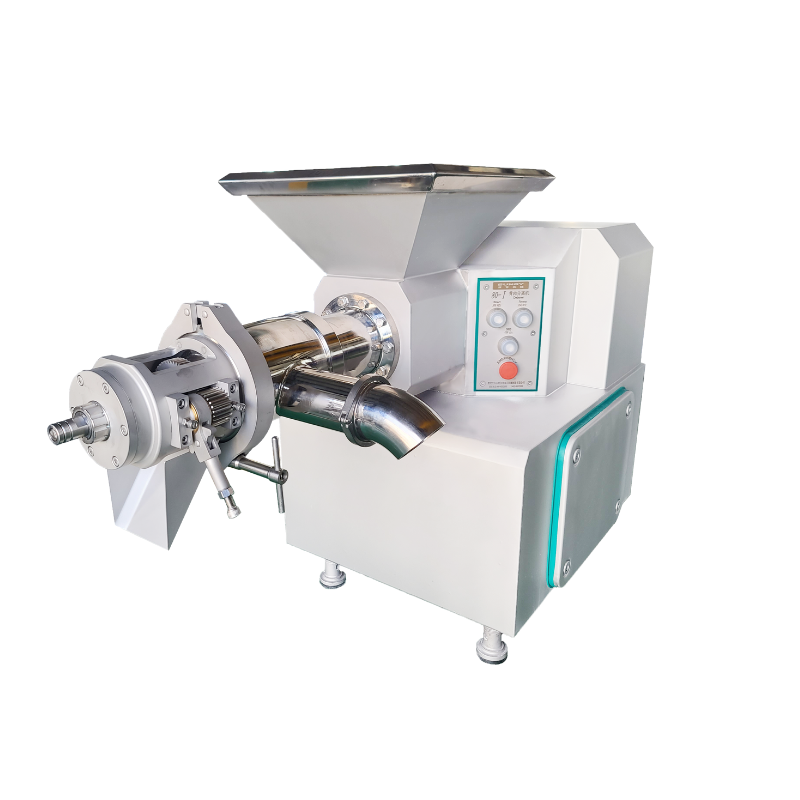
Poultry remains the most common protein source in pet food manufacturing. Chicken and turkey frames feature relatively soft bones. A dedicated poultry deboning machine handles these structures with exceptional efficiency. Operators often process necks, backs, and wishbones continuously.
You must configure the screen size specifically for avian bone structures. Soft cartilage can sometimes squeeze through larger perforations. Precision screens filter out this unwanted connective tissue. Continuous flow capability proves essential here. A properly tuned machine prevents soft poultry fat from smearing. It yields a high-quality, structured meat paste suitable for premium recipes.
Processing marine proteins introduces unique challenges. Fish frames carry high moisture content, sharp pin bones, and tough scales. These elements easily blind standard screens. You need a specialized fish meat separator to tackle these hurdles.
Many processors choose belt-and-drum systems for delicate fish separation. This method gently squeezes fish muscle through a perforated drum. It leaves skin, scales, and bones on the outside. Alternatively, low-pressure auger systems work well for larger species like salmon. The primary goal involves keeping scales out of the finished product. Unwanted scales ruin the texture of premium wet cat foods and specialty dog treats.
Beef, lamb, and pork require heavy-duty processing power. Red meat frames contain dense, calcified bones. If you feed intact beef ribs directly into a standard separator, the machine will stall. You might even shatter the internal screens.
Hard bone separation demands robust pre-grinding. You must reduce the raw material into uniform, manageable chunks before separation begins. The separator itself must feature a high-torque motor and reinforced steel components. Slow rotational speeds help manage the immense pressure required to strip muscle from hard bone. This careful approach prevents catastrophic equipment failure.
You must calculate throughput accurately to maintain a balanced production line. A common mistake involves confusing input capacity with output yield. If you need 2,000 pounds of separated meat per hour, you cannot buy a machine with a 2,000-pound input limit. You must factor in your expected yield percentage.
Assume your target protein yields a 60% meat recovery rate. To harvest 2,000 pounds of meat, you must feed approximately 3,333 pounds of raw frames into the machine every hour. Sizing your pet food meat separator based on this gross input weight prevents downstream bottlenecks. Always add a 15% capacity buffer to handle seasonal volume spikes.
Expected volume directly dictates your horsepower (HP) and torque requirements. Underpowered machines struggle during peak production. They overheat, trip circuit breakers, and ruin batches.
Heavy, continuous processing demands industrial-grade motors. High-torque systems power through dense batches without losing rotational speed. When you evaluate specifications, look closely at the continuous duty rating. The machine must sustain its rated capacity across a full operating shift. Insufficient horsepower leads to incomplete separation and drastically lower yields.
A separator never operates in isolation. You must physically integrate it into your facility layout. Measure your available floor space carefully. Account for the footprint of feeding conveyors, pre-grinders, and downstream mixers.
Consider the elevation of your input hoppers and output chutes. Gravity-fed systems reduce the need for extra transfer pumps. Ensure workers have enough clearance around the machine to perform maintenance. Tight spaces slow down daily sanitation shifts and frustrate operators.
Production Scale | Target Output (lbs/hr) | Typical Motor Size (HP) | Integration Requirements |
|---|---|---|---|
Boutique / Pilot | 500 - 1,500 | 15 - 25 HP | Manual bin loading, small footprint |
Medium Commercial | 2,000 - 5,000 | 30 - 50 HP | Infeed conveyors, inline chilling |
Large Industrial | 6,000+ | 60 - 100+ HP | Heavy pre-grinders, automated transfer lines |
The Food Safety Modernization Act (FSMA) and the FDA enforce strict guidelines for pet food manufacturing. Your equipment must align with these regulations to prevent costly recalls. Proper material selection serves as the first line of defense.
Construct your processing line using 304 or 316-grade stainless steel. These alloys resist corrosion from aggressive cleaning chemicals and high-salt meat juices. Manufacturers must eliminate dead zones within the separation chamber. Bacteria hide in tiny crevices and overlapping joints. Look for machines featuring continuous, polished welds. Smooth surfaces prevent biofilm accumulation and simplify the swabbing process.
Sanitation crews face immense time pressure during shift changes. Complex machinery slows them down. You need equipment designed for rapid, thorough cleaning. Modern separators support Clean-In-Place (CIP) or Clean-Out-of-Place (COP) protocols.
Prioritize specific hygienic features:
Tool-less disassembly: Workers should dismantle the main chamber using simple hand clamps.
Accessible internal augers: Crews must pull the main screw easily for deep scrubbing.
Easy-to-remove screens: Screens require frequent inspection and sanitizing. They must slide out without excessive force.
Sloped surfaces: External housings should shed water instantly to prevent stagnant puddles.
Machines lacking these features encourage workers to rush. Rushed cleaning inevitably leaves organic residue behind. This compromises your entire food safety program.
Separation relies on tremendous mechanical force. Occasionally, metal components chip or break. You must prevent these fragments from entering the final pet food. Upstream and downstream integration keeps your product safe.
Install heavy-duty metal detectors before the pre-grinder. This catches stray hooks or cutting blades left in the raw material bins. Downstream, integrate magnetic separators or advanced X-ray systems right after the meat exits the screen. This captures any metal shavings generated by normal equipment wear. This layered defense protects pets and shields your brand from liability.
Mechanical deboning wears down internal components rapidly. The friction between bone, meat, and steel acts like sandpaper. Screens, belts, and augers require regular replacement. You must evaluate these maintenance realities before finalizing any equipment choice.
Ask vendors about the exact lifespan of their high-wear parts. Harder input materials destroy screens much faster than soft poultry frames. Establish a clear maintenance schedule based on your specific production hours. You should also verify component lead times. Supply chain delays on a custom screen can shut down your entire facility. Choose vendors who guarantee fast shipping on critical replacement parts.
Industrial separation pulls significant electrical current. You must verify that your facility can handle the electrical draw. Check the voltage and amperage requirements of the machine's primary motor. Evaluate your existing electrical panels to ensure they accommodate these large loads without tripping.
Additionally, check the compressed air requirements. Some automated separators use pneumatic valves for pressure adjustments or automated cleaning cycles. Ensure your plant air compressor delivers adequate PSI and volume. Preparing your utilities ahead of time prevents unexpected installation delays.
Never rely solely on a vendor's glossy brochure. You must validate their performance claims using your own ingredients. Raw material characteristics vary wildly between different slaughterhouses. Your chicken frames behave differently than another processor's materials.
Request a live performance test at the manufacturer's facility. Bring a representative batch of your typical raw material. During the test, monitor the machine closely. Check the exact yield percentage against the vendor's claims. Most importantly, inspect the texture of the output paste. Verify that the temperature remains within safe limits during continuous operation. This practical evaluation eliminates surprises on the factory floor.
Choosing the right equipment determines the success of your pet food processing line. The best separator perfectly balances high meat recovery with strict hygienic standards. It must maintain the nutritional integrity of the ingredients while standing up to rigorous daily operations.
To move forward effectively, we recommend taking the following action steps. First, audit your current yield rates and identify any processing bottlenecks. Next, review your exact formulation specifications, paying special attention to bone ash and moisture requirements. Finally, contact reputable vendors to arrange material testing and request customized sizing calculations based on your true throughput needs. A data-driven approach ensures your new equipment scales seamlessly with your business.
A: Acceptable limits depend on specific AAFCO guidelines for the target life stage and overall recipe formulation. Generally, premium diets require lower ash content. Higher mechanical pressure increases yield but elevates bone ash. You must balance extraction pressure with your specific nutritional targets.
A: While some multi-purpose machines exist, they rarely offer peak performance across different proteins. Optimal yield and texture usually require dedicated screens, different auger pitches, and specific pressure settings. Poultry and fish possess vastly different bone structures and moisture profiles.
A: Replacement timeframes vary based on your production schedule and input material. Continuous processing of hard beef bones wears out screens much faster than processing soft poultry frames. Vendors provide baseline estimates, but regular visual inspections dictate the true replacement cycle.
A: Mechanical deboning generates significant friction. This friction rapidly heats the meat. You must keep the meat below specific temperature thresholds (typically under 40°F/4°C) to prevent the proliferation of dangerous pathogens like Salmonella. Raw pet food lacks a cooking kill-step, making temperature control essential.


