


Views: 0 Author: Site Editor Publish Time: 2026-04-16 Origin: Site


Are you looking to improve your meat processing efficiency? A high-quality meat grinder is the key to smooth, consistent production. In this article, we will discuss how to properly use an industrial meat mincer machine, specifically focusing on the single screw and double screw meat grinders from QI QI HAR SUNBY MACHINERY CO., LTD.. You’ll learn practical tips to enhance your machine’s performance, troubleshoot common issues, and ensure optimal results in large-scale meat processing.
The single screw meat mincer and double screw meat mincer from QI QI HAR SUNBY MACHINERY CO., LTD. are designed with high-quality materials and advanced engineering to meet industrial meat processing standards. Key components include the feed tube, screw conveyor, cutting blades, and plates.
● Feed Tube: This is where the raw meat is initially introduced into the machine. The tube is designed to accommodate large quantities of meat, and its size is optimized to prevent clogs, allowing for continuous operation.
● Screw Conveyor: The meat is pushed forward by the screw conveyor, which ensures a steady flow of material into the grinding area. The high precision CNC machining of this component reduces wear and tear, enhancing durability.
● Cutting Blades: These blades are responsible for slicing the meat into smaller pieces. Made from high-quality steel, they maintain sharpness for extended periods, ensuring a consistent grind and reducing the frequency of replacements.
● Grinding Plates: Available in various sizes, these plates control the texture of the ground meat. Whether coarse or fine, the plates are precisely designed to maintain uniformity in the ground product, ensuring high-quality output.
Each part of the meat mincer plays a vital role in achieving the desired grinding results. The feed tube ensures that the meat flows smoothly into the machine, while the screw conveyor steadily moves it towards the cutting blades. The cutting blades, precision-engineered for durability, ensure that the meat is sliced cleanly and consistently. The grinding plates control the texture, producing meat of the right consistency, whether coarse or fine.
The synchronized interaction between these components is crucial for minimizing fat damage during processing. This results in better meat retention, preserving nutritional content and enhancing the quality of the ground meat.
● Fat Preservation: The low friction of the parts and the precision design ensure that fat is less damaged during grinding, which helps maintain the quality and nutritional value of the meat.
● Uniformity: With precise component design, the equipment delivers ground meat that is consistent in texture and size, contributing to better product quality and higher yield.
The operation of the industrial meat mincer begins with the introduction of meat into the feed tube. Once the meat is loaded, the screw conveyor pushes it toward the cutting blades. These blades finely slice the meat into smaller pieces, which then pass through the grinding plates. The size of the holes in the plates determines the final texture of the meat, allowing for different applications, such as coarse ground beef for burgers or fine-ground pork for sausages.
● Efficient Processing: The low friction and precision components ensure minimal temperature rise during grinding, which helps in maintaining the freshness and nutritional integrity of the meat.
● Smooth Discharge: After grinding, the processed meat is smoothly discharged through the round lock cap, ensuring easy and hygienic disposal of the ground product.
When choosing the right industrial meat mincer, several key factors should be considered to ensure it meets production requirements. QI QI HAR SUNBY MACHINERY CO., LTD. offers models like the DX-114 and DX-160, each designed to cater to different processing needs.
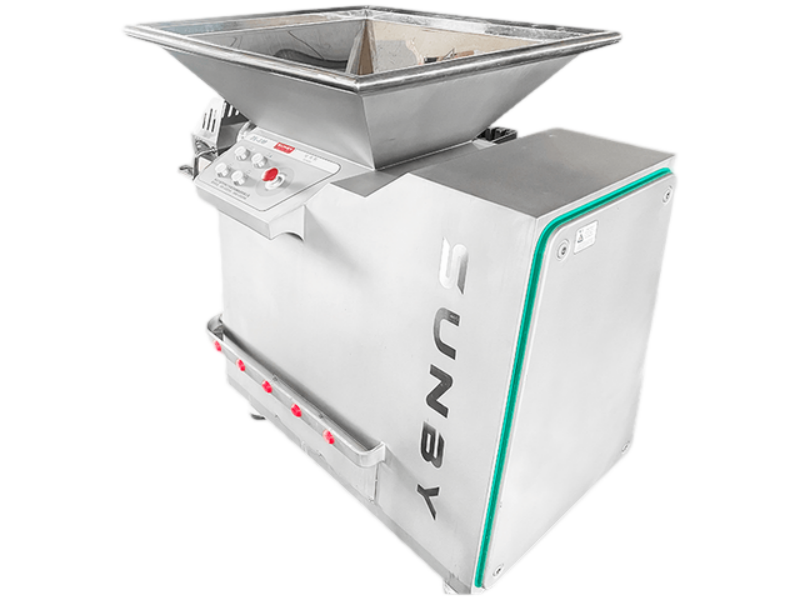
● Power and Capacity: Power is one of the first considerations. For smaller to medium-scale operations, the DX-114 with 9/11 kW power offers a balanced capacity of 0.5-1 ton, ideal for smaller volumes. Larger operations requiring higher processing capacity would benefit from the DX-160, which has a power range of 18.5/22 kW and can handle 2-3 tons, ensuring more consistent throughput and higher efficiency during peak production times.
● Operational Speed: Some models, like the DX-250 and DX-280, offer two-speed functionality, providing flexibility for different meat types and production conditions. These options help to adjust the processing speed based on material density, ensuring better texture and efficiency.
Model | Power (kW) | Capacity (t) | Dimensions (mm) | Weight (kg) |
DX-114 | 9/11 (Two-speed) | 0.5-1 | 15508301150 | 650 |
DX-160 | 18.5/22 (Two-speed) | 2-3 | 192010501380 | 1040 |
Selecting the appropriate mincer depends not only on power and capacity but also on the types of meat processed and the desired texture of the final product. QI QI HAR SUNBY MACHINERY CO., LTD. meat mincers are adaptable to various types of meat, from tougher cuts to more delicate meats.
● Tougher Cuts: For meats like beef or venison, which tend to have tougher fibers, a coarse grinding plate such as those offered by the DX-250 or DX-280 is essential for achieving the desired chunky texture. The DX-250 is highly suitable for tougher cuts because of its higher capacity and two-speed settings, making it versatile for heavy-duty grinding.
● Delicate Meats: For poultry or soft meats like pork and fish, finer grinding plates should be used to achieve a smoother texture. The DX-160 provides great control over the grind, producing finer results that are ideal for sausages or pâtés.
QI QI HAR SUNBY MACHINERY CO., LTD. meat mincers come with additional features and attachments that greatly enhance their functionality, making them highly versatile for industrial meat processing needs.
● Sausage Stuffer: Many models, including the DX-160, come with attachments for sausage stuffing, which is ideal for creating a wide range of sausages, from breakfast to specialty varieties. The sausage stuffer attachment makes it easy to move from grinding to stuffing without changing equipment.
● Different Sized Plates: The availability of interchangeable grinding plates, ranging from coarse to fine, allows operators to tailor the texture of their products based on customer preferences. Plates for fine grinding are ideal for producing smoother meat pastes, whereas coarse plates are perfect for rustic cuts used in burgers or chunky sausages.
● Increased Hopper Size: An enlarged hopper in the DX-250 and DX-280 models enables more efficient processing by holding larger quantities of meat, reducing the frequency of refills and labor intensity during high-volume operations.
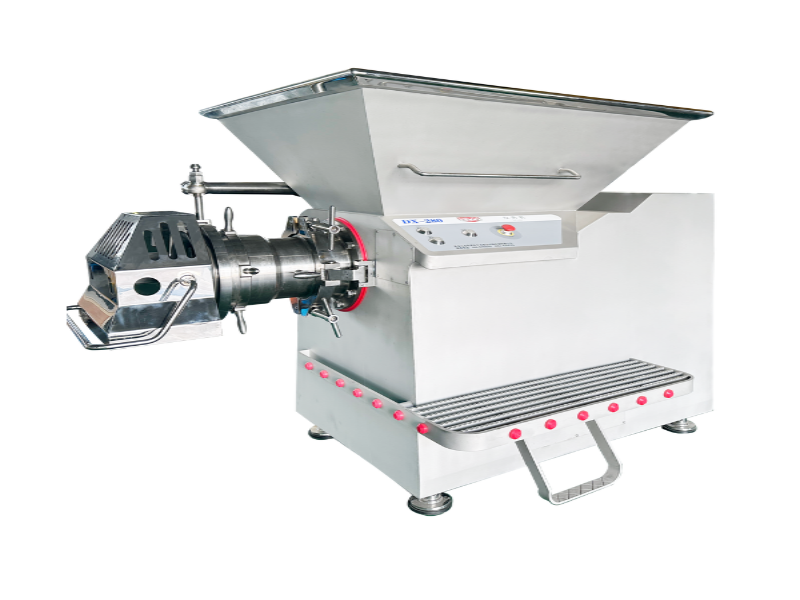
To ensure optimal performance and prevent clogs or overloads, preparing meat properly before grinding is crucial. Start by cutting the meat into small pieces or strips that fit easily into the feed tube of the mincer. The size of the pieces should not exceed the diameter of the feed tube, as larger chunks may lead to blockage or strain on the machine.
● Smaller Pieces for Better Flow: Cutting meat into smaller, uniform chunks helps it move smoothly through the machine. For larger cuts, it's important to remove any tendons or tough connective tissue, as they can interfere with the grinding process.
● Avoid Overloading: Overloading the machine can cause strain on the motor and lead to uneven grinding. Instead, feed the meat steadily and allow the mincer to pull it through at its optimal pace.
Chilling meat before grinding is a vital step to achieve the best results. Cooling the meat reduces its softness and helps preserve its texture during processing. QI QI HAR SUNBY MACHINERY CO., LTD. machines, especially the double screw models, benefit from this technique, as it improves the flow of meat through the grinder and minimizes fat smearing.
● Preventing Fat Damage: When meat is cold, fat remains intact and doesn't smear, which results in a better texture. Chilling also ensures that the meat does not stick to the grinder, making it easier to process.
● Temperature Recommendations: Meat should be chilled to a temperature of around 0°C to -5°C before being introduced into the mincer for the best results.
Proper assembly of the meat mincer is crucial to its performance and longevity. Ensure all parts are securely connected before use. Start by assembling the screw conveyor, followed by attaching the cutting blades and grinding plates. Each component should be carefully aligned and tightened, especially for models like the DX-160 and DX-250, which are designed for heavy-duty processing.
● Correct Assembly for Optimal Function: Improper assembly can cause uneven grinding, overloading, or even damage to the machine. Always follow the manufacturer’s assembly guidelines for each part.
● Check for Loose Parts: Before starting the machine, double-check that all screws, bolts, and connectors are tight to avoid accidents during operation.
Safety is a top priority when assembling and operating industrial equipment. During the assembly process, always ensure the machine is powered off to avoid any accidents. Wear protective gloves when handling sharp parts like the cutting blades to prevent injury.
● Secure all Parts: Make sure that all moving components are securely attached and aligned before use to avoid sudden failures or damage during operation.
● Clear Work Area: Keep the workspace clean and free of unnecessary tools or objects to prevent tripping hazards. Ensure the machine is placed on a stable, level surface to prevent vibration and accidents.
Creating a safe and efficient workspace is critical for smooth operation. Ensure that the QI QI HAR SUNBY MACHINERY CO., LTD. meat mincer is placed on a stable, flat surface that can support its weight, especially for heavier models like the DX-250 and DX-300. The machine should be positioned in a way that allows easy access to all components for maintenance and cleaning.
● Sufficient Space Around the Machine: Provide adequate space around the machine to allow free movement of operators. A cramped workspace can lead to mistakes or accidents during operation.
● Organizing Tools and Accessories: Keep all necessary tools and accessories (e.g., cleaning brushes, additional plates) within reach, but ensure they do not obstruct the machine’s operation.
For optimal performance, it is essential to feed meat into the industrial meat mincer properly. Begin by cutting the meat into manageable pieces that fit comfortably into the feed tube. Ensure the pieces are uniformly sized to avoid strain on the machine. Overloading the feed tube can cause blockages or inefficient grinding, which may lead to motor strain or uneven results.
● Steady Feeding for Smooth Operation: Feed the meat slowly into the machine. This helps the screw conveyor pull the meat through at an even pace, preventing overloads or clogs.
● Use the Food Pusher: Always use the food pusher to gently guide the meat into the grinder. Never force it through by hand, as this can damage the machine or cause injury.
Different types of meat require different processing techniques to achieve the desired texture. QI QI HAR SUNBY MACHINERY CO., LTD. meat mincers, such as the DX-160 or DX-250, come with adjustable settings that allow operators to fine-tune the machine’s speed and power for various types of meat.
● Coarse vs. Fine Grinding: For tougher meats like beef, use a coarse grinding plate and a higher speed. For softer meats like poultry, select a fine plate and slower speed to achieve a smoother texture.
● Speed Control: Some models, such as the DX-200, offer two-speed settings. Lower speeds are best for fatty cuts to avoid smearing, while higher speeds work well for leaner, tougher cuts.
Model | Speed Settings | Recommended Meat Type |
DX-160 | 2-speed (Low/High) | Beef, Pork |
DX-250 | 2-speed (Low/High) | Chicken, Lamb |
DX-300 | Variable speed | Venison, Fatty Meats |
Even with regular maintenance, common grinding issues can still arise. The two main problems are clogging and jamming.
● Clogging: Clogs occur when the meat is fed too quickly or when large pieces with connective tissues are introduced. If the grinder becomes clogged, stop the machine immediately, disassemble the parts, and remove the obstruction.
● Jamming: If the grinder jams, check the blades and grinding plates for wear. Dull blades or incorrectly sized plates can cause uneven grinding and jams.
To avoid these issues, always ensure that the meat is properly prepared, free from bone fragments, and cut to the appropriate size.
For consistent meat texture, it is crucial to regularly check and maintain the grinder’s components. QI QI HAR SUNBY MACHINERY CO., LTD. meat mincers are designed to provide uniform ground meat, but wear and tear can lead to inconsistencies.
● Inspect Blades and Plates: Regularly inspect and replace blades or plates that have become dull or damaged. Sharper blades improve the cutting efficiency and prevent smearing of the fat.
● Check Alignment: Ensure that the grinding plates are properly aligned with the machine’s housing. Misalignment can cause uneven grinding and disrupt the flow of meat.
Safety is paramount when operating industrial meat mincers. Always wear appropriate personal protective equipment (PPE), including gloves, goggles, and aprons, to protect yourself from sharp blades and hot surfaces.
● Avoid Direct Contact: Never reach into the feed tube or near the blades while the machine is operating. Always use the provided food pusher to guide the meat into the machine.
● Keep Work Area Clean: A clean workspace minimizes the risk of contamination and ensures smooth operations. Make sure to clean any spills or meat scraps immediately to avoid tripping hazards.
QI QI HAR SUNBY MACHINERY CO., LTD. provides clear safety instructions for each machine model. Ensure you thoroughly read and follow the safety manual for your specific model, as each machine may have unique features and precautions.
● Emergency Shut-Off: Be familiar with the machine’s emergency shut-off procedure in case of malfunction or accident.
● Routine Inspections: Regularly inspect the machine for any signs of wear or damage. Timely repairs can prevent safety issues and keep the machine running smoothly.
To ensure long-lasting performance and high efficiency, it’s essential to properly operate, maintain, and troubleshoot QI QI HAR SUNBY MACHINERY CO., LTD.'s industrial meat mincers. Regular inspections and maintenance will keep the single screw and double screw meat grinders running smoothly, even in high-demand environments. These machines offer exceptional value by providing reliable, consistent results in large-scale meat processing, making them indispensable in any industrial setting.
A: To properly use a meat grinder, ensure the meat is cut into small, uniform pieces and chilled before grinding. This prevents clogs and ensures efficient processing. Regularly clean and inspect the grinder to maintain performance.
A: Regular maintenance includes cleaning, lubricating moving parts, and inspecting blades for wear. Timely maintenance extends the life of the meat grinder and ensures consistent grinding results.
A: Yes, industrial meat grinders can handle various meat types, including beef, pork, and poultry. Adjust the settings and grinding plates to achieve the desired texture for each meat type.


