


Views: 0 Author: Site Editor Publish Time: 2026-04-02 Origin: Site


If you’ve ever wondered how to get the perfect texture in your ground meat, a meat grinder is key to achieving just that. The quality of the grind directly impacts the final product, from juicy burgers to smooth sausages. In industrial settings, understanding how to operate a meat grinder and select the right grinding plates is crucial for consistent results. In this article, we’ll explore the basic workflow of meat grinding and guide you on choosing the ideal plate size for different textures and applications.
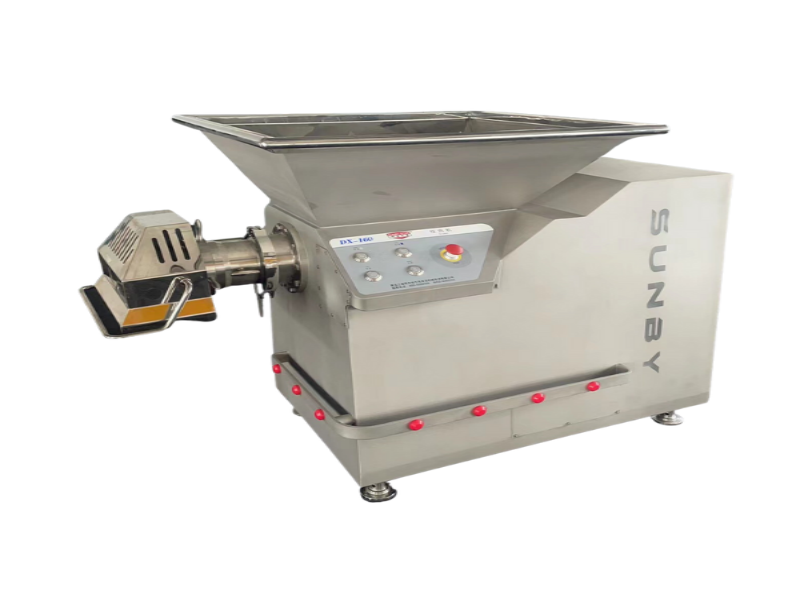
A meat grinder is a complex industrial machine designed for continuous and high-efficiency meat processing. To understand its operation, it's crucial to recognize the key components that work in tandem to achieve the desired texture and consistency of ground meat. Below is a breakdown of the core components and their functions:
● Hopper: The hopper is the top section where the raw meat is placed before processing. It holds the meat chunks and guides them into the feed tube. In industrial grinders, the hopper is typically large to accommodate large quantities of meat, allowing for efficient continuous feeding.
● Auger (Screw): The auger is a rotating screw that moves the meat through the grinder toward the cutting blades and grinding plate. It plays a crucial role in pushing the meat forward and compressing it as it moves through the machine. The auger’s efficiency directly impacts the speed and smoothness of the grinding process.
● Blade: The blade is a sharp, cross-shaped component that cuts the meat into smaller pieces as it is pushed through the auger. It works in conjunction with the grinding plate to create the final ground meat texture. A dull or mismatched blade can lead to inefficiency and poor-quality ground meat.
● Grinding Plate: The grinding plate is a flat metal disc with holes that determine the final texture of the ground meat. The size of these holes varies, allowing for different grind coarseness. Fine plates are used for a smooth texture, while coarse plates are used for chunkier textures.
● Discharge Outlet: This is where the ground meat exits the grinder. It connects to the output mechanism, which often includes a pusher to help the processed meat flow out smoothly without clogging the system. The discharge area is designed to prevent backflow and reduce product loss.
These components work in unison to ensure a clean, efficient, and continuous grinding process. Maintaining their proper function is critical for ensuring optimal performance and product quality in industrial meat grinding.
In industrial meat processing, the configuration of the grinder plays a pivotal role in determining its capacity and suitability for different production needs. Two common configurations used in high-volume operations are Single Screw Meat Grinders and Double Screw Meat Grinders, both of which are offered by QI QI HAR SUNBY MACHINERY CO., LTD..
Type | Description | Ideal Use |
Single Screw Meat Grinder | One screw mechanism for steady flow | Moderate to high-volume processing |
Double Screw Meat Grinder | Two screw mechanism for enhanced capacity | High-volume, industrial meat processing |
The preparation of raw materials is a crucial first step in the meat grinding process. Proper preparation ensures smoother operation and better quality ground meat. One of the first tasks is to remove bones and large connective tissues that could cause jams or excessive wear on the grinder’s blade and auger. These materials not only clog the grinder but also degrade the texture of the final product.
After removing these hard-to-grind parts, cut the meat into manageable pieces. The size of these pieces should be small enough to fit easily into the hopper and flow smoothly through the feed tube. Typically, pieces around 2-3 inches are ideal for most industrial grinders, including those from QI QI HAR SUNBY MACHINERY CO., LTD.. This step is essential to avoid overloading the machine and ensuring that the meat moves efficiently through the grinder without causing strain on the motor.
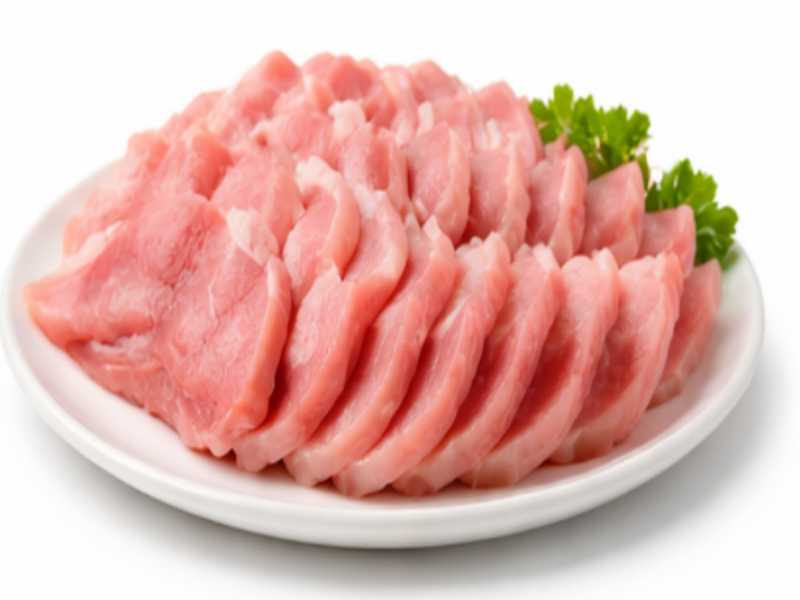
Once the meat has been properly prepared, it's time to start the actual grinding process. Install the appropriate grinding plate before operation. The choice of plate will depend on the type of meat being processed and the desired final texture. Coarse plates are generally used for initial grinding, while finer plates are chosen for a second grind to achieve a smoother texture.
With the plate in place, feed the raw materials steadily into the hopper. It's important to do this gradually and evenly to ensure that the grinder operates efficiently. Rushing the feeding process can cause the grinder to become overloaded, leading to poor grinding results or even potential equipment damage. The Single Screw Meat Grinder and Double Screw Meat Grinder configurations from QI QI HAR SUNBY MACHINERY CO., LTD. offer optimized mechanisms for steady meat flow, which can be particularly beneficial when processing large quantities of meat at once.
Feeding meat slowly and consistently helps avoid clogs and ensures that the grinder produces uniform ground meat, essential for high-quality output.
In some processing workflows, a multi-stage grinding approach may be necessary, especially for products that require a fine, uniform texture. Grinding twice is a common technique used to achieve this. First, the meat is processed with a coarse plate to break it down into larger pieces. Afterward, the meat is passed through a finer plate to smooth out the texture.
This method is particularly useful in sausage production, where the initial coarse grind helps with binding and the subsequent finer grind ensures a smooth and cohesive product. For large-scale industrial meat grinders, such as the Single Screw or Double Screw Meat Grinder by QI QI HAR SUNBY MACHINERY CO., LTD., this approach is often facilitated by powerful motors and robust screw mechanisms that can handle multiple passes without compromising performance.
Stage | Grinding Plate | Outcome |
First Grind | Coarse plate | Breaks down meat into larger chunks |
Second Grind | Finer plate | Achieves smooth, uniform texture |
The multi-stage grinding technique can be adapted based on the specific needs of the processing workflow, ensuring that meat products meet the desired texture and consistency for various culinary applications.
The size of the holes in a meat grinder plate plays a critical role in determining the texture of the ground meat. As meat is pushed through the plate during the grinding process, the holes in the plate dictate the size of the resulting meat particles. This directly impacts the mouthfeel, appearance, and even cooking characteristics of the finished product.
● Smaller holes: These produce a finer texture. When meat is passed through plates with small holes (such as 3 mm or 1/8 inch), it results in a smooth and uniform grind. This type of grind is ideal for sausages, pâté, or other applications where a soft, emulsified texture is desired. The smaller particles bind better, providing a more cohesive product.
● Larger holes: Plates with larger holes (such as 8 mm or 1/2 inch) produce a coarser texture, maintaining more distinct meat particles. This is commonly used for products like chili, steak burgers, and coarse sausages, where the meat's structure and visible pieces are important. The larger holes help preserve some of the meat's original texture, making the final product more “chunky” and less processed.
In industrial meat processing, the correct plate selection is crucial for achieving consistency and quality in the finished product.
There are several common grinding plate sizes used in meat processing. Each size is tailored to specific processing needs, based on the desired texture and application of the ground meat.
Plate Size | Hole Diameter | Ideal Use |
Fine | 3 mm / 1/8 inch | Sausages, hot dogs, pâté, baby food |
Medium | 4.5 mm - 6 mm | General meat grinding, hamburgers, meatballs |
Coarse | 8 mm - 12 mm | Rustic sausages, chili, stew meat |
● Fine Plates: Plates with small holes (around 3 mm or 1/8 inch) are typically used for finely ground products. They are commonly used in making emulsified sausages like hot dogs, as well as baby food and certain spreads where a smooth texture is desired. These plates are ideal when you need a consistent, smooth texture without visible meat particles.
● Medium Plates: These plates are the most versatile and are often used in general meat grinding operations, such as for hamburgers, meatballs, and standard sausages. Medium plates create a balance between a smooth and coarse grind, making them suitable for a wide range of applications in meat processing.
● Coarse Plates: Plates with larger holes (8 mm or larger) produce ground meat with a chunkier texture. These are ideal for producing rustic sausages, chili, or stews where you want larger pieces of meat to retain some texture. The coarser grind is also commonly used in recipes that require longer cooking times to break down the larger meat chunks.
Selecting the right grinding plate is not just about choosing the right size; it must also align with the next processing stage and the desired product texture. The choice of plate is closely tied to the final use of the ground meat.
● Final Product Requirements: If you are preparing a product that needs to retain visible meat texture, such as chili or coarse sausage, a coarse plate is more suitable. On the other hand, for items like sausages that require smooth texture and better binding, a fine or medium plate would be appropriate.
● Processing Stage: In many meat processing workflows, a multi-stage grinding process is used. For instance, meat may be first ground using a coarse plate to break it down and then passed through a finer plate to achieve the smooth, cohesive texture needed for sausage production. The plate selection for each stage depends on whether the goal is to retain texture or create a finer, more homogeneous grind.
Choosing the correct plate not only affects the texture but also helps in optimizing the processing efficiency. Plates should be selected in accordance with both the product's requirements and the processing capabilities of the grinder.
To ensure consistent and efficient meat grinding, it's essential to maintain the meat grinder in optimal condition. One of the most critical factors is keeping the blades sharp. Sharp blades enable smooth cutting of meat, reducing the likelihood of clogging or smearing. Dull blades can cause the grinder to work harder, resulting in uneven texture and increased wear on the equipment.
In addition to sharp blades, using well-matched plate sets is key. The grinding plate and blade should be aligned correctly to ensure that the cutting edges fit together properly. A mismatch between the two can cause inefficiencies in the grinding process, leading to suboptimal results and potential damage to the machine over time.
Regular inspection of the grinder is also necessary. Key areas such as the auger, blades, grinding plates, and discharge outlet should be checked periodically for wear and tear. Inspecting these components ensures that the machine is running at peak performance and helps avoid unexpected breakdowns during industrial-scale processing.
Proper cleaning and maintenance are fundamental for maintaining hygiene standards in meat processing. Industrial grinders, such as the Single Screw Meat Grinder and Double Screw Meat Grinder from QI QI HAR SUNBY MACHINERY CO., LTD., are designed for easy disassembly, making cleaning more efficient. After each use, it is crucial to disassemble the machine and wash all removable components with warm, soapy water. This prevents meat residue from building up and reduces the risk of bacterial contamination.
The cleaning process should include all parts that come into contact with meat, such as the hopper, auger, blades, and grinding plates. Once cleaned, these parts must be thoroughly dried to prevent rusting and corrosion. For the metal components, applying a small amount of food-grade mineral oil can help protect them between uses.
By implementing routine cleaning and maintenance schedules, industrial grinders can be kept in optimal condition, ensuring consistent performance and longevity for high-volume meat processing operations.
Effective meat grinding relies on both the proper operation of the meat grinder and selecting the right grinding plates. Understanding the grinding process and plate functions ensures consistent particle size and efficiency in meat production. QI QI HAR SUNBY MACHINERY CO., LTD. provides high-quality grinders, such as their Single Screw Meat Grinder and Double Screw Meat Grinder, offering durable, efficient solutions for industrial meat processing needs.
A: To use a meat grinder effectively, ensure that the meat is properly prepared, the equipment is well-maintained, and the correct grinding plate is selected based on the desired texture.
A: For fine ground meat, use a meat grinder plate with smaller holes, typically around 3mm, to achieve a smooth and uniform texture.
A: The meat grinder plate size directly impacts the texture; smaller plates create a finer grind, while larger plates produce a coarser, chunkier texture for products like sausages or chili.


